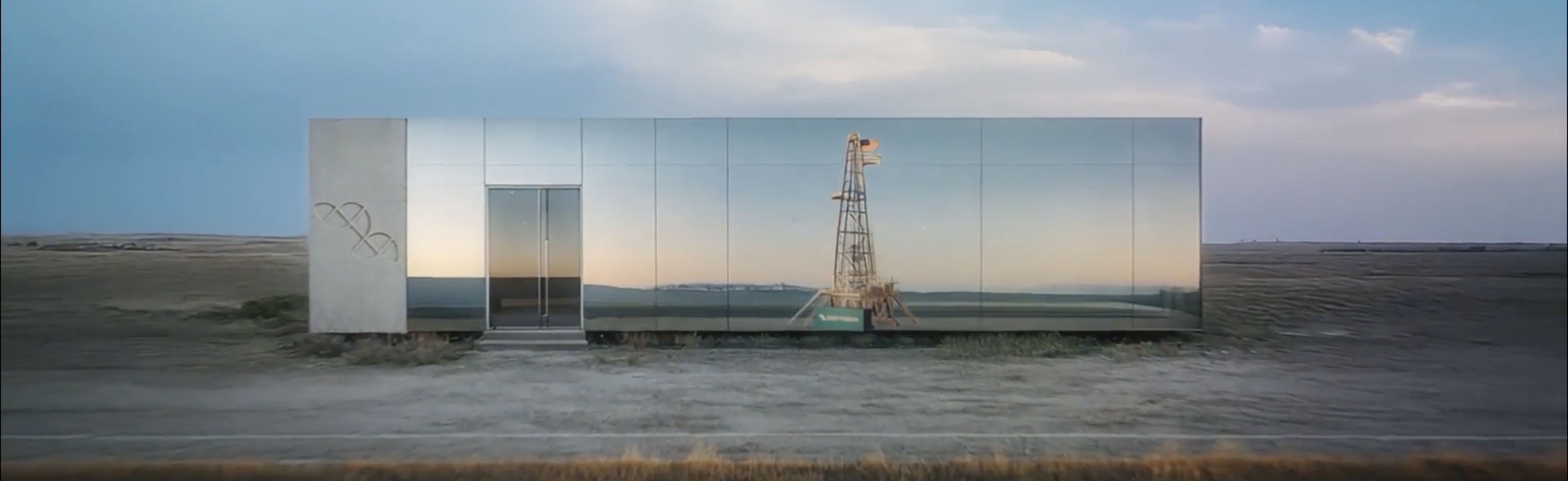
Developer of underground microreactors based on advanced nuclear energy technologies.
Deep Fission is pursuing an unconventional approach to nuclear power generation: instead of building a large surface-based nuclear power plant, the company is developing compact nuclear reactors installed deep underground, where the surrounding geology itself contributes to safety, cooling, and containment. Deep Fission's core technology is a compact pressurized water reactor (PWR) that the company plans to deploy in vertical boreholes more than one mile (1.6 km) below the Earth's surface. The company intends to leverage the hydrostatic pressure of the water column, natural geological shielding, and a compact modular architecture to reduce reliance on the expensive above-ground infrastructure required by conventional nuclear power plants. Thermal energy generated by the reactor is expected to be transferred to surface power generation systems similar to those used in geothermal energy facilities. The company's primary commercial focus is large-scale data centers and other customers requiring reliable baseload power. Over time, Deep Fission also expects to serve electric utilities, industrial operators, government agencies, and defense organizations. At its current stage, the company has secured a site in Kansas, where it is conducting geological assessments, borehole planning, and test drilling activities. However, Deep Fission has not yet entered into commercial power purchase agreements or secured binding customer contracts. The reactor is based on proven pressurized water reactor technology and is expected to use low-enriched uranium (LEU) fuel commonly utilized throughout the nuclear industry. Rather than introducing a fundamentally new reactor design, the company is focusing on a well-established reactor technology while differentiating itself through its underground deployment model. The key innovation lies in placing compact reactors deep underground to reduce infrastructure costs and enhance natural physical protection. Deep Fission aims to reduce future deployment timelines to approximately six months per reactor from the start of installation activities. The company expects to achieve this through borehole-based installation methods, factory-built modular reactor canisters, and standardized site configurations. The rapid growth of artificial intelligence workloads is increasing demand for reliable baseload electricity, making hyperscale data centers operated by major technology companies the company's initial target market. Deep Fission has secured $20 million in investment from funds managed by Blue Owl and has established potential collaboration agreements with Halliburton, Urenco USA, Day & Zimmermann, R-V Industries, and Sparx Engineering. The company's financial results reflect its early-stage development status. Deep Fission currently generates no revenue, as its first commercial reactor has not yet been constructed or commissioned. Operating expenses primarily consist of research and development activities and general corporate expenses. For the first quarter of 2026, operating loss increased to $21.8 million compared to $1.7 million in the prior-year period, while net loss totaled $21.3 million. The offering is being led by William Blair, Stifel, Canaccord Genuity, The Benchmark Company, and Seaport Global.
Risk Warning: Investing in financial instruments involves risks. The value of investments may increase or decrease. Past results do not guarantee future returns. We recommend consulting a financial advisor before making investment decisions.
Open the direction card in Telegram for full information and application
Extended cards, materials, applications, status updates, and direct manager contact — in our Telegram Mini App
Open Telegram Mini App